Receding Gum Treatment in Temple City
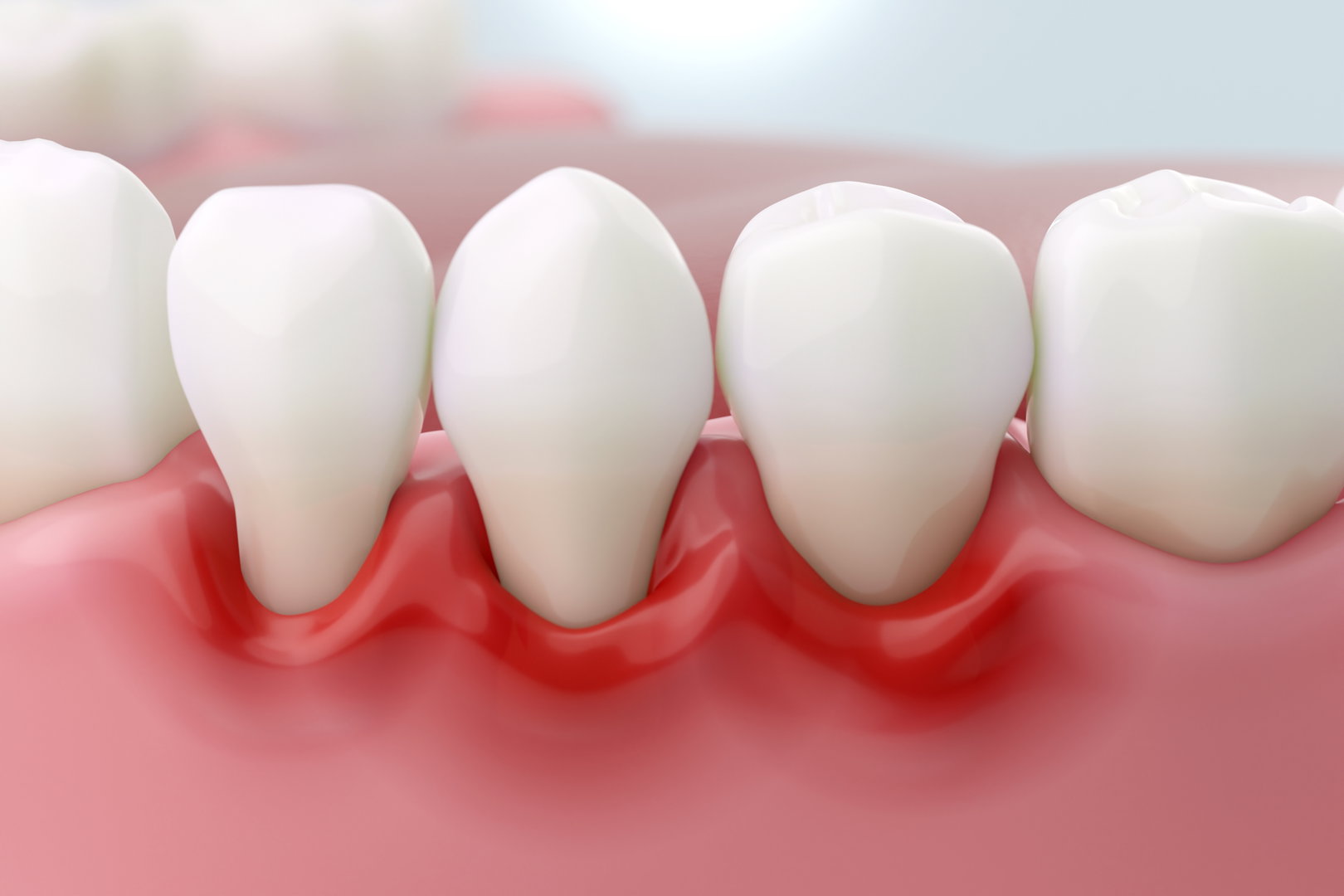
When your gums begin to pull back from your teeth, it’s more than just a cosmetic issue, it’s a sign that something deeper is going on. Receding gums can increase sensitivity, expose roots to decay, and make your teeth more vulnerable to infection and even tooth loss if left untreated. The good news is that with early detection and the right treatment, gum recession can be managed and often improved.
Why gum recession matters
Gum recession can lead to both discomfort and long-term damage. Understanding the risks helps motivate timely care.
- Tooth sensitivity. When roots are exposed, you may feel sharp pain when eating or drinking something hot, cold, or sweet.
- Root decay. The part of the tooth normally protected by gums isn’t as resistant to bacteria and acids.
- Increased plaque buildup. Receded areas can trap more bacteria, leading to inflammation and potential infection.
- Gum disease progression. Recession is often both a sign and a driver of worsening gum disease.
- Tooth instability. In severe cases, gum and bone loss can loosen teeth and affect your bite.
Taking action early helps you avoid more serious complications and keeps your mouth healthy.
Treatment options that can help
Dental professionals offer several effective treatments for gum recession, depending on your needs. These options aim to reduce discomfort, stop further damage, and support healing.
- Scaling and root planing. This thorough cleaning removes plaque and smooths root surfaces to prevent bacteria from reattaching.
- Antibacterial care. Rinses or gels may be used to target bacteria and reduce infection.
- Gum graft surgery. Tissue may be taken from your palate or a donor source and placed over the receded area.
- Pinhole technique. A minimally invasive option in some cases, this lifts gum tissue and repositions it.
- Protective coatings. Bonding agents or sealants can sometimes cover exposed areas and reduce sensitivity.
Your dentist will recommend a course of action that’s tailored to your comfort and goals.
Healthy habits that support recovery
What you do at home matters. With consistent care, you can maintain healthy gums and reduce the chance of further recession.
- Gentle brushing. Use a soft brush and light pressure to avoid irritating gum tissue.
- Daily flossing. Cleaning between teeth removes bacteria that can trigger inflammation.
- Mouthwash use. A non-alcoholic, antimicrobial rinse can add protection without causing dryness.
- Mouthguard for grinding. Nighttime grinding puts pressure on teeth and gums. A custom mouthguard can help.
- Routine dental checkups. Staying on top of appointments ensures that any changes are caught early.
Building these habits into your daily routine supports both prevention and healing.
Let’s take the next step together
If you’ve noticed changes in your gumline, discomfort, or increased sensitivity, now is the time to talk to your dentist. Gum recession doesn’t have to get worse, and you don’t have to manage it alone. We’re here to evaluate your gums, explain your treatment options, and help you feel confident about your oral health. Schedule your appointment today.